1. Begin with the Australasian name
The competition began as the Australasian Championships, rather than as a tournament permanently attached to Melbourne. Its early itinerary included Australian cities and New Zealand. Christchurch and Hastings belong to that history alongside Melbourne, Sydney, Adelaide, Brisbane and Perth. “Australasian” therefore described a genuine geographical reach, not simply an older spelling of Australian.
The name later became the Australian Championships and then the Australian Open. Keep those names together when following a title record: they describe stages of the same championship. Tennis Australia's history pages provide a useful starting point for checking how the event and its governing organisation developed.
2. Account for the journey
Early international participation depended on expensive, lengthy travel. Before intercontinental air travel became routine, reaching Australia from Europe or North America could mean a substantial sea voyage. A player's absence was not necessarily a judgement about the quality of the competition. Geography, expense and the demands of a touring schedule all influenced entry.
Those obstacles did not disappear at once. Even after faster travel became available, the tournament's position around the Christmas and New Year period could discourage participation. When comparing historical draws, inspect the entrants rather than assuming that every leading player contested every major. The title remains a title; the field supplies additional context.
3. Separate Kooyong from Melbourne Park
Kooyong is central to the Australian Open's grass-court identity. The championship eventually settled in Melbourne there before moving to the purpose-built complex originally called Flinders Park, subsequently renamed Melbourne Park. These are not interchangeable names for the same site. The relocation changed both the physical setting and the tournament's ability to accommodate a larger event.
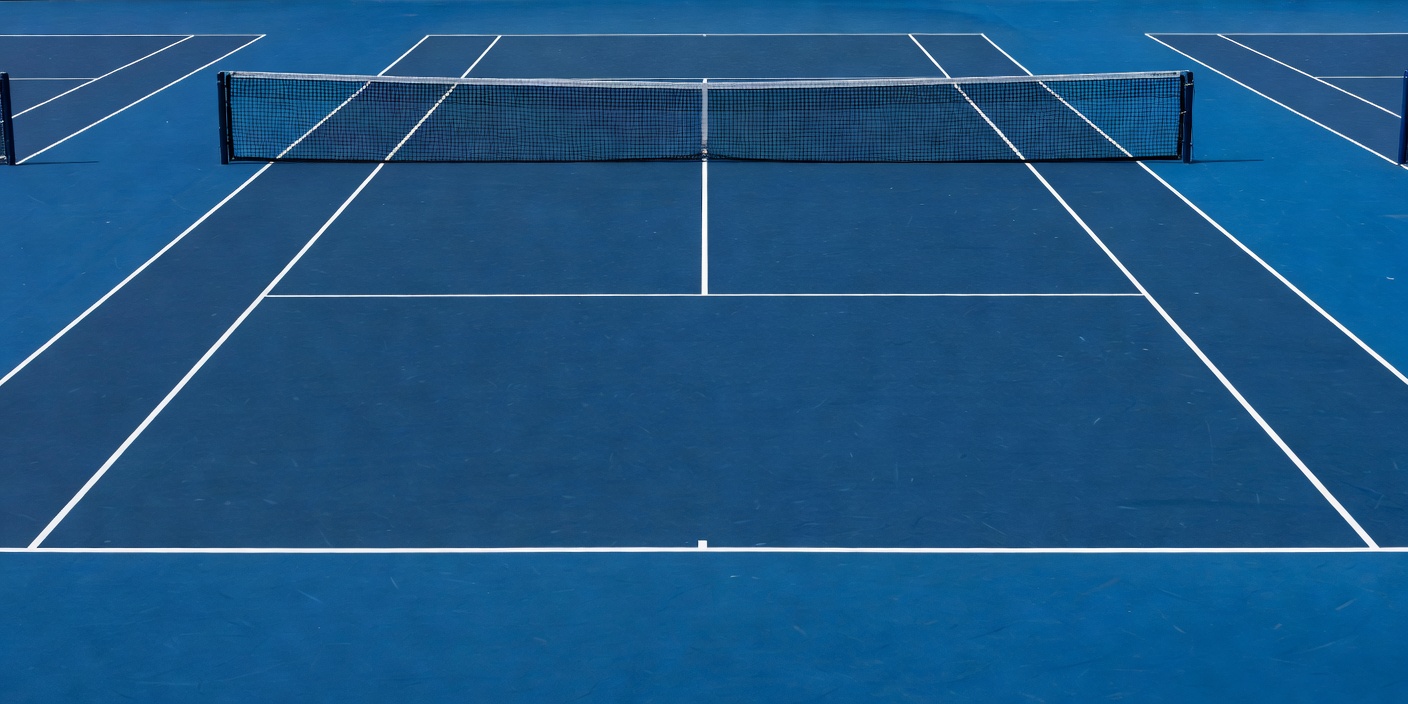
The new complex brought hard courts and a retractable roof over its principal stadium. A roof changes how a competition can manage interruptions, but it does not make outdoor and covered play identical. For historical comparisons, record the venue and surface first, then consider the particular match conditions where reliable information is available.
4. Understand the surface change
A hard court is a firm constructed court with an applied playing surface. That distinguishes it from a grass court, whose living surface and wear patterns affect movement and bounce. Melbourne Park initially used Rebound Ace and later Plexicushion. These product names identify different chapters of the hard-court period; they should not be treated as permanent descriptions.
Surface labels also have limits. “Hard court” alone does not establish a precise speed, bounce height or advantage for a playing style. Balls, weather and surface preparation matter. The durable historical point is that an Australian title from the grass period and one from the Melbourne Park period were won under different physical conditions.
5. Read the calendar carefully
The Australian Open has occupied different positions in the tennis calendar. A move between January and December once produced two editions within one calendar year; a later adjustment left a calendar year without an edition. This is why a missing year in a results list need not indicate a cancellation, and a repeated year need not be an error.
Use the official draw archive to identify the actual edition before calculating streaks or gaps. The same care applies to the Open Era, the period in which professionals and amateurs could compete together. Australia's first open championship followed the initial European and American majors of that transition, rather than beginning simultaneously with them.
6. Put champions into the right category
Margaret Court and Rod Laver help connect the amateur and open chapters, while Evonne Goolagong Cawley belongs to the tournament's significant Australian championship history. Read their singles results separately from doubles and mixed doubles. Those disciplines reward different achievements and maintain separate records.
To make a useful comparison, choose one question: success on Australian grass, success at Melbourne Park, or titles across the championship's full history. Each is legitimate, but each selects a different body of evidence. Avoid letting the modern venue silently determine how you describe every earlier champion.